
Why HDPE Tarpaulins Are Essential for Industrial and Warehouse Storage
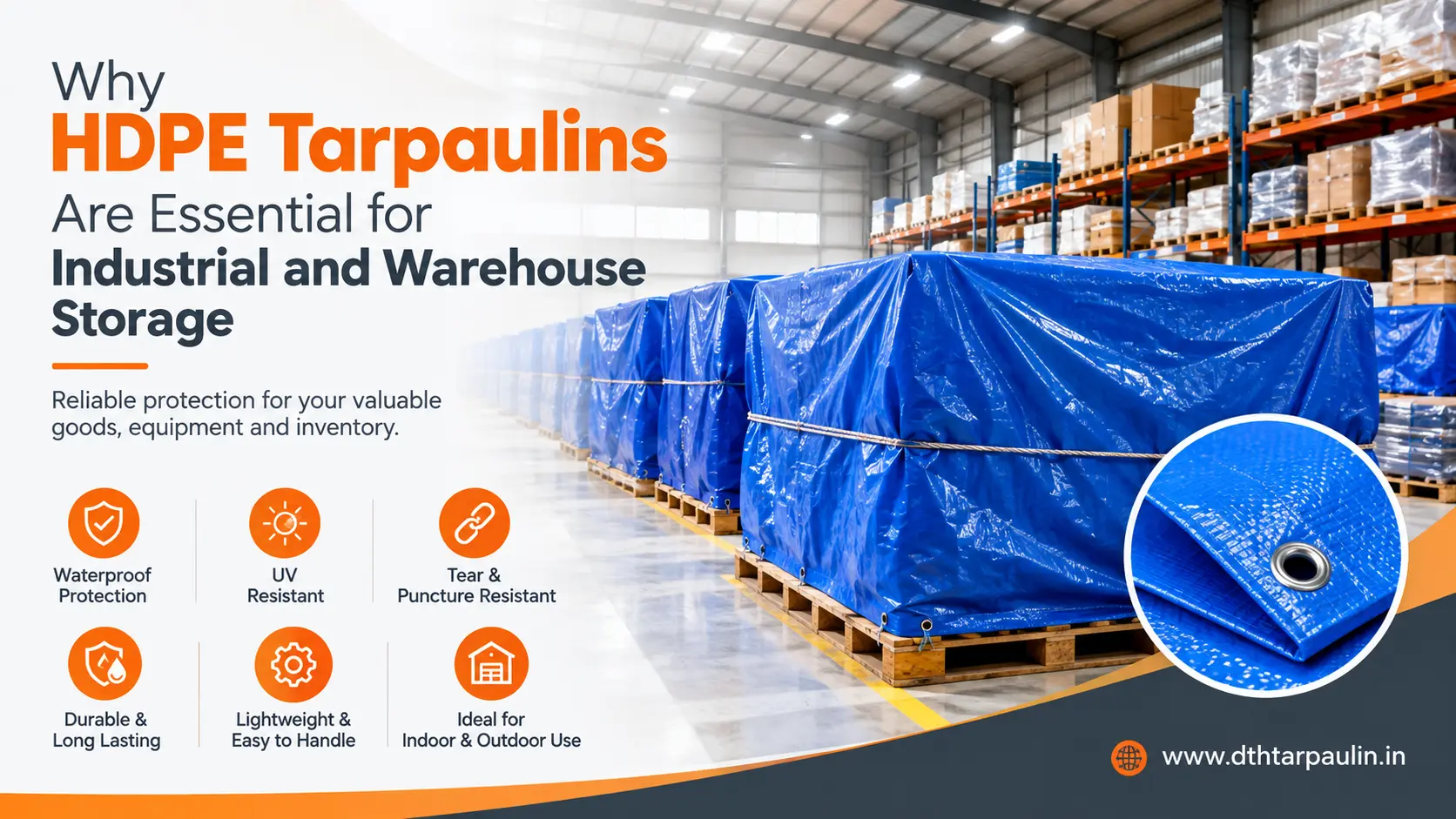
Industrial and warehouse materials face dust, moisture, sunlight, rough handling, and changing weather every day. HDPE tarpaulins for industrial storage help reduce preventable damage while keeping stock areas cleaner and easier to manage. Delhi Tirpal House supplies tarpaulin solutions for indoor storage, open yards, transport, and semi-open warehouse spaces.
Why HDPE Tarpaulins for Industrial Storage Protect Materials
A laminated HDPE tarpaulin creates a protective barrier around goods, equipment, and stock. It can help shield cement bags, machinery, packaging materials, pipes, timber, and finished products from rain, dust, and accidental splashes. Performance depends on fabric quality, lamination, GSM, stitching, eyelets, installation, and the conditions where the cover is used.
Waterproof Protection Helps Prevent Moisture Losses
A good industrial waterproof tarpaulin can protect goods from rain, damp floors, condensation, and minor water exposure. The sheet alone cannot prevent every problem, so seams, folds, corners, eyelets, and gaps must also be checked. Keep the tarp above standing water, create a slight slope, and inspect fastening points before the monsoon.
Wet products should not be sealed under a cover without ventilation. Allow moisture to escape, especially when covering timber, agricultural stock, cartons, or materials stored in warm areas. A raised pallet or platform adds another layer of protection.
Woven Construction Handles Repeated Use
Woven HDPE fabric offers better tear resistance and flexibility than thin, disposable plastic sheets. Reinforced edges, corner patches, and rust-resistant eyelets can improve service life during regular handling. Choose a heavy-duty tarpaulin when goods have sharp edges, heavy surfaces, or frequent loading and unloading.
Do not drag the cover over rough concrete, metal scrap, or broken packing material. Use ropes, straps, or bungee cords without over-tightening the eyelets. Replace a cover when small tears begin to spread.
UV-Resistant Covers Reduce Sun Exposure
Long exposure to sunlight can make some plastic covers brittle and cracked. UV-stabilized HDPE tarpaulins are better suited to open yards, loading areas, and storage near warehouse entrances, though protection levels vary by product and exposure. Ask the supplier about UV treatment before choosing a cover for long-term outdoor use.
Shade structures or double-layer protection may help during extended open storage. Inspect the tarp for fading, brittleness, and surface cracks, then rotate or reposition it where practical.
HDPE Tarpaulin for Warehouse Storage Improves Daily Efficiency
A HDPE tarpaulin for warehouse storage does more than cover products. It can divide stock, protect overflow inventory, and create temporary storage zones without permanent construction. This is useful during expansion, repairs, seasonal demand, or short-term capacity shortages.
Temporary Covers Create Flexible Storage Zones
Use tarpaulins over palletized goods in open-sided sheds or around loading bays. They can separate incoming and outgoing stock, protect materials near dusty production areas, and enclose goods awaiting dispatch. During maintenance, a clean cover can shield inventory from dust, paint, and small debris.
Leave enough space for inspection and movement. A cover should support warehouse work, not block fire exits, equipment routes, or required access points.
Covered Inventory Is Easier to Keep Clean
A clean cover reduces the amount of dust and dirt settling on stored materials. It does not remove the need for proper packaging, airflow, cleaning, or pest control. Label each covered stack with the product name, batch, date, and handling instructions.
Clean the tarpaulin before placing it over sensitive goods. Keep inspection access around the edges, and maintain airflow where heat or condensation could affect stock. Durable reusable covers may also reduce repeated replacement of thin plastic sheets when stored and maintained correctly.
Choosing the Right HDPE Tarpaulin Prevents Storage Problems
The correct product depends on more than color or appearance. Buyers should compare GSM, dimensions, fabric construction, lamination, reinforcement, eyelet spacing, exposure, and handling frequency. A light cover may suit indoor dust protection, while outdoor yards often need thicker, reinforced construction.
Match GSM, Thickness, and Construction
GSM refers to the weight of the material per square metre. Higher GSM often means a heavier sheet, but it does not automatically make every tarp suitable for every use. Wind, abrasion, sharp edges, removal frequency, and the weight of the covered goods all matter.
Ask for product specifications and confirm whether the tarp is woven, laminated, UV-treated, and reinforced. Choose a lighter option for temporary indoor use where suitable. Select a heavier grade for outdoor storage and repeated handling.
Select the Correct Size and Coverage
Measure the length, width, and height of the stack before ordering. Add enough material for side drop, overlap, tying, and movement. A tarp stretched too tightly may place excess stress on eyelets, while exposed edges can allow rain and dust to enter.
For very large areas, several manageable covers may work better than one oversized sheet. Custom sizes can reduce waste and improve coverage when standard dimensions do not fit.
Check Eyelets, Seams, and Edges
Eyelets should be evenly spaced and firmly secured. Strong hemmed or heat-sealed edges, reinforced corners, and sound seams help the cover handle tension during installation. Check the surface for loose threads, pinholes, brittle sections, and uneven coating before purchase.
The tarp should work with your existing ropes, straps, frames, or tie-down points. Weak fastening parts can limit the performance of even a well-made sheet.
HDPE Tarpaulins Support Multiple Industrial Uses
Factories, warehouses, construction sites, farms, transport yards, and distribution centers all use covers in different ways. The best result comes from matching the tarp grade and fastening method to the storage environment.
Construction and Building Material Storage
HDPE tarpaulins can cover cement bags, bricks, tiles, pipes, steel sections, timber, scaffolding parts, and boxed tools. Keep bagged or boxed materials on pallets or raised platforms instead of placing them directly on the ground. Pad sharp metal edges and secure the cover against wind.
Materials that hold moisture may need ventilation. Check covers after heavy rain or high winds, and remove pooled water before it adds weight or pressure.
Manufacturing, Logistics, and Open-Yard Storage
Factories can cover spare machinery during shutdowns, raw materials in semi-open sheds, and packaging stock near loading areas. Distribution centers may use covers to separate returned, damaged, or inspection-pending goods. Transport teams can protect agricultural supplies, vehicles, equipment, and bulk materials during temporary movement or storage.
Use tie-down points that spread tension across the sheet. Inspect a cover after transport and before reuse. A tarpaulin cannot replace required packaging, drainage, ventilation, fire controls, or safety procedures.
Proper Installation and Maintenance Extend Tarpaulin Life
Even a high-quality industrial tarpaulin can fail when sharp surfaces, poor tying, trapped water, or damp storage weaken it. A short inspection routine helps prevent avoidable damage and keeps covers ready for reuse.
Secure the Cover Without Stress Points
Smooth sharp edges before covering materials, then use rounded supports or padding at contact points. Fasten from several sides instead of pulling the sheet in one direction. Keep a slight slope where rainwater may collect, and leave safe access for inspections and material movement.
Ropes, straps, bungee cords, and frame systems may suit different applications. Avoid forcing one eyelet to carry the full load.
Clean, Dry, and Store Covers Correctly
Use mild soap and water for routine cleaning when compatible with the product. Avoid harsh chemicals, abrasive brushes, and uncontrolled high heat, especially after oil or industrial residue has collected on the surface. Dry both sides fully before folding or rolling the tarp.
Store it on a raised shelf or pallet in a dry area away from chemicals, rodents, sharp tools, and heat. Loose folding or rolling helps reduce permanent creases and premature wear.
Inspect Before Major Use
Check the full surface for pinholes, tears, mold, brittleness, and chemical damage. Examine corners, eyelets, hems, ropes, and supports for signs of weakness. Minor damage may be repairable when the product allows it, but replacement is safer when holes or tears affect coverage or handling.
Delhi Tirpal House Helps Businesses Select Industrial Tarpaulins
A supplier should understand the storage conditions before suggesting a product. Delhi Tirpal House can help buyers compare suitable HDPE tarpaulin options based on the material, location, size, exposure, and intended duration of use.
Discuss the Storage Environment First
Prepare the stack dimensions and explain whether the tarp will be used indoors, outdoors, in transit, or in a semi-open shed. Also share expected rain and sunlight exposure, wind conditions, handling frequency, and contact with dust, oil, chemicals, or sharp surfaces.
Ask whether UV resistance, extra reinforcement, custom sizing, or frequent reuse is required. These details help avoid buying an underspecified or unnecessarily large cover.
Confirm Specifications and Custom Options
Discuss GSM, dimensions, color, lamination, UV treatment, eyelet type, spacing, hem strength, and corner patches. Ask about standard and custom sizes, light-duty and heavy-duty options, and suitability for warehouse, transport, construction, or industrial use.
For demanding applications, request product details or a sample before placing a larger order. Confirm delivery needs for Delhi, NCR, and other locations.
Build a Practical Procurement Plan
Audit storage areas and note recurring damage points. Prioritize high-value, moisture-sensitive, and outdoor-stored materials, then standardize common tarp sizes where possible. Keep spare ropes, straps, and repair materials available before monsoon or peak operating periods.
Recheck requirements after warehouse expansion, seasonal changes, or a shift in inventory type. A planned supply helps prevent rushed purchases when stock is already exposed.
Why Delhi Tirpal House
HDPE tarpaulins help protect industrial and warehouse goods from moisture, dust, sunlight, and handling exposure. Their performance depends on the right GSM, size, reinforcement, installation, ventilation, and maintenance. They support flexible storage, but they should work alongside pallets, drainage, packaging, shelving, and safety controls.
For a suitable solution, share your material type, stack dimensions, storage location, weather exposure, and expected period of use with Delhi Tirpal House. The right tarpaulin supplier in Delhi can help match your operation with an industrial waterproof tarpaulin that is practical to install, inspect, reuse, and store.