
How to Properly Clean and Maintain Your Plastic Tarpaulin
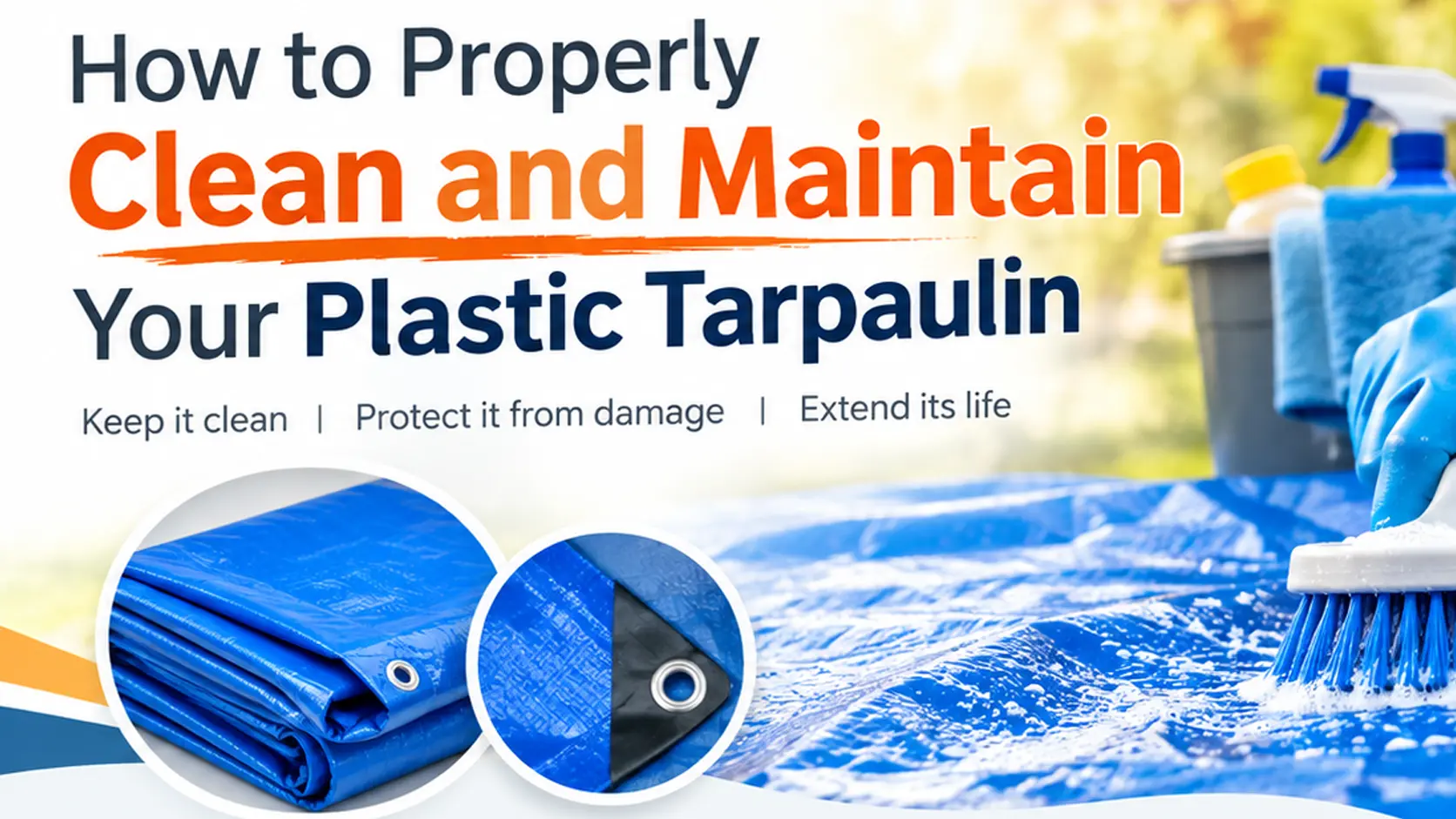
Plastic tarpaulin cleaning matters because dust, traffic grime, bird droppings, oil, moisture, and standing water slowly damage the sheet. A dirty tarp can lose its clean appearance, flexibility, waterproofing, and tear resistance.
Regular washing and correct storage help your tarpaulin last longer. This guide explains how to clean a tarpaulin, remove common stains, dry it safely, repair small damage, and store it between uses. Delhi Tirpal House also supplies suitable plastic tarpaulins and replacement options for many outdoor needs.
Identify the Tarpaulin Material Before Cleaning It
The material, thickness, coating, stitching, eyelets, and intended use affect the safest cleaning method. Always check the product label or supplier's care instructions before using a cleaner.
Check for PE, PVC, or Coated Fabric
PE tarpaulins are often light, flexible, and woven with a laminated plastic layer. PVC tarpaulins tend to be heavier, smoother, and more resistant to demanding outdoor use. Coated fabric tarps may have a special surface that needs gentler treatment.
PE and PVC surfaces may react differently to solvents, degreasers, or strong cleaners. Laminated and coated tarps can peel, become sticky, or lose their finish when exposed to unsuitable products. This is why PE tarpaulin maintenance and PVC tarpaulin care should follow the product's specifications.
Inspect Seams, Eyelets, and Reinforced Edges
Before washing, look for loose stitching, cracked corners, punctures, frayed ropes, rusted eyelets, and separated edge strips. Existing damage can grow when you drag, fold, or scrub the tarp.
Lay the sheet flat and check its seams, reinforced sections, and tie-down points. If a corner is weak, avoid lifting the tarp by that area. Repairing it before cleaning can prevent further tearing.
Test Every Cleaner First
Mix a small amount of diluted mild detergent and apply it to a hidden section. Wait until the area dries, then check for fading, stickiness, lost gloss, cracking, or coating damage.
Test specialty cleaners in the same way. If the surface changes, stop using that product and ask the supplier for a suitable option.
Use Gentle Methods for Plastic Tarpaulin Cleaning
The safest routine removes loose dirt first, then uses mild soap, clean water, and light pressure. Aggressive scrubbing can damage the waterproof layer even when the tarp looks strong.
Remove Dust and Debris Before Washing
Shake the tarpaulin outdoors or sweep it with a soft broom, microfiber cloth, or gentle brush. Remove leaves, sand, dried mud, and other loose debris before adding water.
Do not drag a dirty tarp across rough concrete. Grit trapped underneath can scratch the surface and wear through the plastic coating.
Wash With Mild Soap and a Soft Brush
Place the tarp on a clean, smooth surface. Mix mild soap with clean water, apply it in small sections, and use a soft-bristled brush with gentle strokes.
Hard scrubbing can weaken laminated surfaces and damage printed areas. Avoid bleach, petrol, kerosene, strong acids, abrasive powders, and harsh solvents unless the manufacturer approves them.
Rinse and Dry Both Sides
Rinse the entire surface with clean water until no soap remains. Residue can leave marks and attract more dust.
Hang or spread the tarp in a shaded, ventilated area. Dry both sides, including seams, folds, corners, and reinforced sections, before folding it. Trapped moisture leads to mold and bad odors.
Treat Stains, Mold, and Odors With Care
Different stains need different treatment. Ordinary dirt may respond to mild soap, while oil, chemical spills, and mold can affect the plastic coating.
Remove Mud, Food, and Surface Stains
Let wet mud dry enough to brush away without rubbing grit into the tarp. Follow with mild detergent and water, using several gentle passes instead of heavy pressure.
Clean food spills soon after they occur. Dried residue may need soaking with clean water before brushing. Do not use a sharp tool to scrape the surface.
Handle Oil and Chemical Spills Carefully
Oil and chemical residues can soften, stain, or weaken plastic coatings. Blot fresh spills when possible, then check the care instructions before applying a degreaser.
A tarp exposed to paint thinner, fuel, pesticides, or unknown chemicals may be unsafe to reuse. Ask the supplier for guidance, especially if it covers food, livestock, water, or personal belongings.
Reduce Mold and Musty Smells
Mold usually appears after damp storage or poor airflow. Clean the affected area with a manufacturer-approved solution, rinse it well, and dry the tarp in moving air.
Never mix household chemicals. Improve ventilation, keep the tarp off damp floors, and avoid sealing it inside airtight plastic while any moisture remains.
Prevent Tears, Leaks, and Early Wear
Good handling protects a tarpaulin as much as washing does. Correct installation, regular inspection, and prompt repairs reduce stress on the sheet.
Secure the Tarp Without Overstretching
Use suitable ropes, straps, bungee cords, or tie-downs through reinforced eyelets. Do not pull directly on the plastic sheet or force a cord through a weak edge.
Excessive tension can tear eyelets and seams. Wind flapping also causes wear, especially when the tarp is too small for the covered area or has loose sections.
Protect Against Sharp Edges and Friction
Place padding beneath corners, pipes, machinery, branches, and rough construction materials. Repeated rubbing against walls, metal frames, or concrete can wear through the sheet without creating an obvious hole at first.
Keep the tarp clear of sharp tools and exposed nails. A smooth support surface helps prevent punctures and reduces stress during installation.
Repair Small Damage Early
Clean and dry the damaged area before applying compatible tarpaulin repair tape or a patch. Some materials can receive heat-welded repairs, while others need a professional repair service.
Replace the sheet when large areas, main seams, or structural sections have failed. A patch cannot restore the strength of a badly weakened tarp.
Store Plastic Tarpaulin Correctly Between Uses
Proper storage prevents mildew, creases, cracking, pest damage, and accidental punctures. This matters during monsoon months and long gaps between construction, transport, or farm use.
Fold or Roll It Only When Dry
Shake off loose dirt, wash the sheet when needed, and dry both sides completely. Even slight trapped moisture can create mold, stains, and odor.
Fold the tarp loosely or roll it evenly without forcing sharp creases. Rolling may suit heavier PVC sheets, while careful folding can work for lighter PE tarps.
Choose a Cool, Dry Storage Place
Keep the tarp away from direct sun, standing water, damp walls, open drains, fuel, chemicals, sharp tools, and high heat. Store it on a shelf or raised surface instead of a wet floor.
Use a breathable protective cover. Do not seal a damp tarpaulin in airtight plastic, since moisture will remain trapped inside.
Inspect It Before the Next Use
Check for brittle patches, holes, peeling coatings, loose seams, damaged eyelets, and unpleasant odors. Record repeated problems so you can change the folding, securing, or storage method.
Adapt Tarpaulin Care to Delhi Conditions
Delhi's dust, traffic grime, strong sun, seasonal rain, humidity, and temperature changes can affect outdoor coverings. A regular care routine helps prevent dirt buildup and moisture damage.
Clean After Dusty or Polluted Exposure
Brush off dust before it becomes embedded in the surface, especially when the tarp covers vehicles, shop stock, building supplies, or outdoor equipment. Use a damp cloth for light dirt and a mild soap wash for heavier buildup.
Prepare for Monsoon Use
Before rainy weather, check waterproofing, seams, eyelets, and drainage. During use, remove standing water and prevent sagging.
After rain, clean off mud and dry the entire tarp before storage. Never fold a wet sheet for the next season.
Limit Sun and Heat Damage
Long exposure to strong sunlight can cause fading, stiffness, brittleness, and coating damage. Use shade where practical and keep the tarp properly tensioned to reduce wind flapping.
Replace the sheet when it develops cracks or feels fragile. UV resistance varies by material and product quality.
Know When Cleaning Is No Longer Enough
Cleaning cannot restore plastic that has become weak or brittle. A damaged cover may fail over people, vehicles, goods, or construction areas.
Look for Permanent Deterioration
Warning signs include widespread cracking, peeling layers, repeated leaks, enlarged holes, failing seams, detached eyelets, and severe loss of flexibility. A tarp that tears during normal handling is no longer dependable.
Match the Replacement to the Use
Choose the size, thickness, material, edge reinforcement, eyelet spacing, and waterproofing level according to the job. Wind exposure, sunlight, and how often you use the tarp also matter.
Delhi Tirpal House can help you compare suitable plastic tarpaulin sizes and specifications. Ask about PE, PVC, coated fabric, laminated, UV-treated, and fire-retardant options when needed.
Request Product-Specific Care Guidance
Confirm the material and intended application before buying or cleaning. Ask for care instructions instead of using the same method for every tarp.
A supplier can also explain when repair is practical and when replacement is safer. This prevents damage caused by unsuitable cleaners or repair products.
Why Delhi Tirpal House
A reliable tarpaulin maintenance routine starts with a material check and a careful inspection. Remove loose dirt, wash with mild soap, rinse well, dry both sides, repair small damage, and store the sheet in a cool, dry, ventilated place.
Avoid harsh chemicals, abrasive scrubbing, rough dragging, damp folding, and excessive tension around eyelets. In Delhi, remove dust often, prepare the tarp before rain, dry it promptly, and reduce unnecessary sun exposure.
When a plastic tarpaulin becomes brittle, cracked, repeatedly leaky, or structurally weak, replacement is safer than continued patching. Explore suitable sizes and specifications at Delhi Tirpal House, or contact the supplier for product-specific care and replacement guidance.